
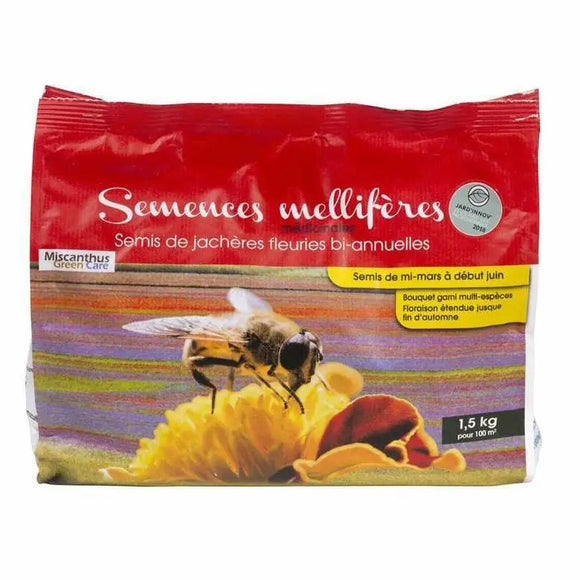
Medicinal honey-bee seeds for a thriving garden
The benefits of medicinal honey-bee seeds
Medicinal honey-bee seeds are essential for creating a thriving and nourishing garden. By integrating these seeds into your outdoor space, you not only support biodiversity but also encourage pollination, which is crucial for the health of your garden. Honey-producing plants attract not only bees but also other pollinators, thereby increasing the production of fruits and vegetables. In this article, we will explore how medicinal honey-bee seeds can enrich your garden and offer benefits for both your health and the surrounding ecosystem.
In our gardens, it is important to select varieties of plants that provide benefits not only for us but also for our environment. Medicinal honey-bee seeds play a key role in this aspect. Not only do they offer medicinal properties, but they also serve as shelter and a food source for pollinators, which are threatened in many regions. By growing these plants, you actively participate in protecting biodiversity and preserving our ecosystems.
There is a multitude of varieties of medicinal honey-bee seeds, each with its own characteristics and benefits. For example, lavender is not only beautiful to look at; it is also known for its soothing properties and for attracting bees. Likewise, calendula, often used in cosmetics and medicine, is a honey-producing plant that also attracts pollinators. Working with these species while tending to a garden will help create a dense and diverse environment.
When choosing your medicinal honey-bee seeds, it is advisable to take into account the growing season and the climate of your region. Some plants thrive better in warm climates while others prefer cooler areas. By taking the time to research the varieties that best adapt to your environment, you will increase your chances of success in your garden. The choice of seeds is a fundamental aspect in creating a garden that is both beautiful and productive.
Having a garden of medicinal honey-bee seeds also means you will be able to use your harvests to create herbal teas or home remedies. These plants provide a wealth of health benefits, ranging from reducing anxiety to improving digestion. By integrating these seeds into your daily routine, you can not only enjoy the pleasures of your garden, but also improve yourself physically and mentally.
It is also important to understand the importance of crop rotation and companion planting. By sowing your medicinal honey-bee seeds in alternation with other types of plants, you will limit the risks of diseases and benefit from a better yield. This is particularly relevant for gardeners concerned with natural and sustainable cultivation methods. Opting for these seeds represents a committed choice for ecology.
Gardening then becomes not only an enriching activity but also an act of resistance against the artificialization of our landscapes. With medicinal honey-bee seeds, you are cultivating a space that breathes life. By attracting pollinators to your garden, you participate in a larger life cycle that contributes to the survival of bees and other vital pollinating insects.
In conclusion, investing time and resources in medicinal honey-bee seeds for your garden not only creates an aesthetic and productive space, but also enriches your health and the ecosystem of your region. Be a conscious and committed gardener by opting for these beneficial plants. Whether you are a beginner or an experienced gardener, these seeds will allow you to create a thriving garden full of life.
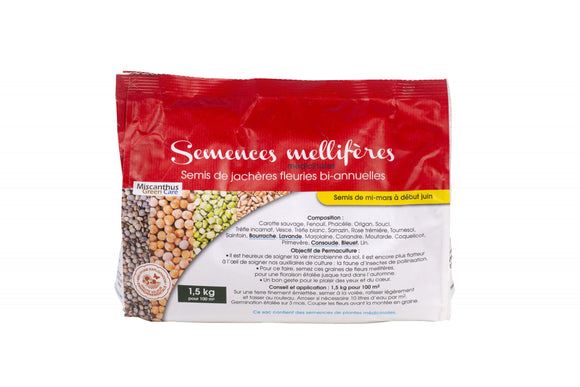
Composition: Wild carrots, Fennel, Phacelia, Gentian, Oregano, Marigolds, Crimson clover, Vetch, White clover, Buckwheat, Hollyhock, Sunflower, Sainfoin, Borage, Lavender, Marjoram, Coriander, Mustard, Poppy, Primrose, Comfrey, Cornflower, Flax. • Seed mix for 300 m² complexed with an organic growing substrate Advice and application: On finely crumbled soil, sow broadcast, rake lightly, and pack down with a roller. Water if necessary with 10 liters of water per m².
A question before buying? Click on the "Ask a question" button, just below "Add to cart", and we will answer you quickly.
Product title
Vendor
€19,99 EUR | €24,99 EUR
Product title
Vendor
€19,99 EUR | €24,99 EUR
Product title
Vendor
€19,99 EUR | €24,99 EUR
Product title
Vendor
€19,99 EUR | €24,99 EUR
Product title
Vendor
€19,99 EUR | €24,99 EUR
Product title
Vendor
€19,99 EUR | €24,99 EUR
Product title
Vendor
€19,99 EUR | €24,99 EUR
Product title
Vendor
€19,99 EUR | €24,99 EUR
Product title
Vendor
€19,99 EUR | €24,99 EUR
Product title
Vendor
€19,99 EUR | €24,99 EUR
Product title
Vendor
€19,99 EUR | €24,99 EUR
Product title
Vendor
€19,99 EUR | €24,99 EUR
Product title
Vendor
€19,99 EUR | €24,99 EUR
Product title
Vendor
€19,99 EUR | €24,99 EUR
Product title
Vendor
€19,99 EUR | €24,99 EUR
Product title
Vendor
€19,99 EUR | €24,99 EUR
Product title
Vendor
€19,99 EUR | €24,99 EUR
Product title
Vendor
€19,99 EUR | €24,99 EUR
Product title
Vendor